ART EXHIBITS
The Northeastern Nevada Museum in Elko, Nevada is home to an extraordinary collection of Western art that honors the creative legacy of the Great Basin. Our galleries feature both world-renowned artists and emerging local talent, offering visitors a rich and diverse experience that captures the beauty, grit, and heart of the West.
CURRENT ROTATING EXHIBITS
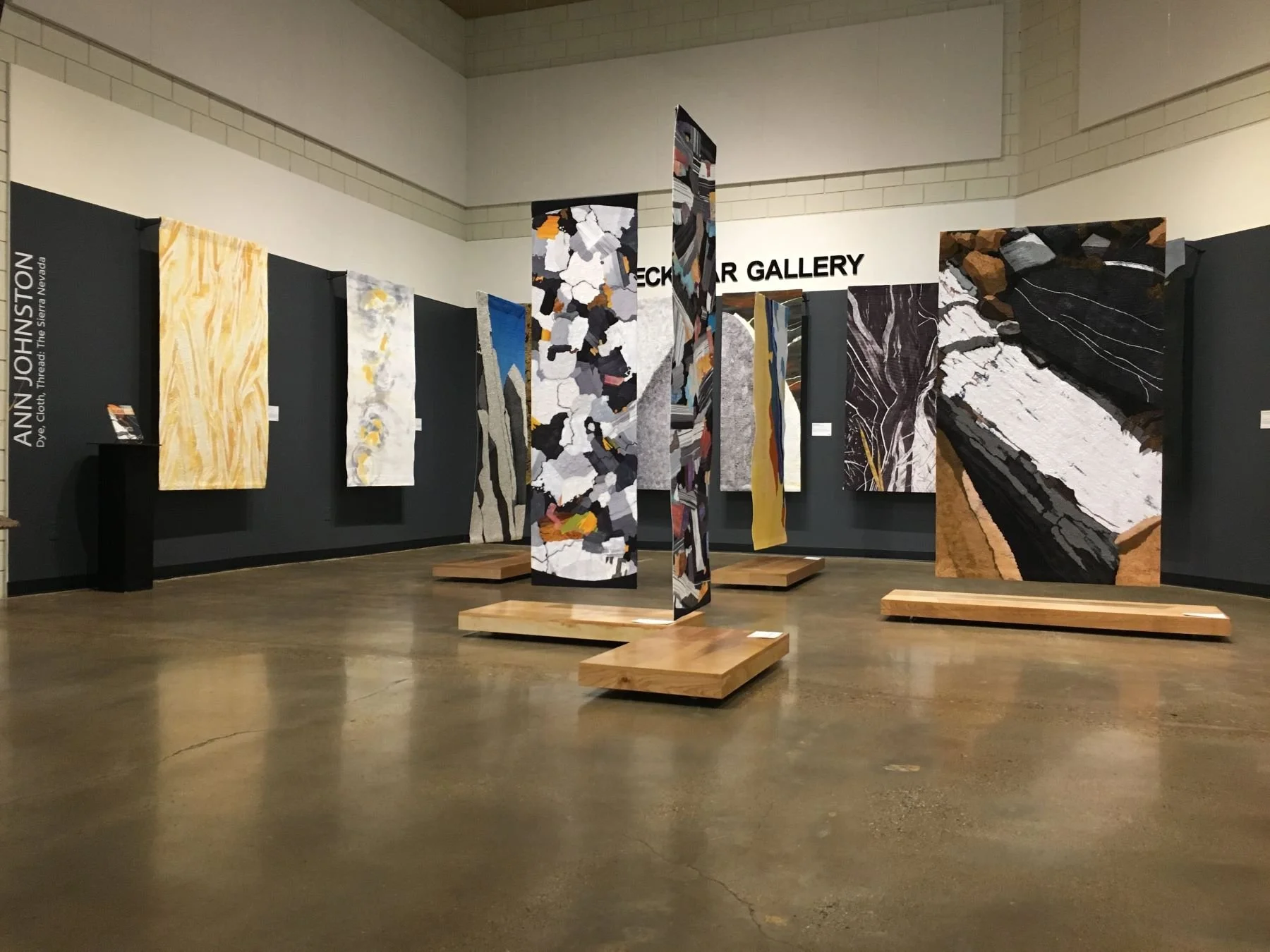
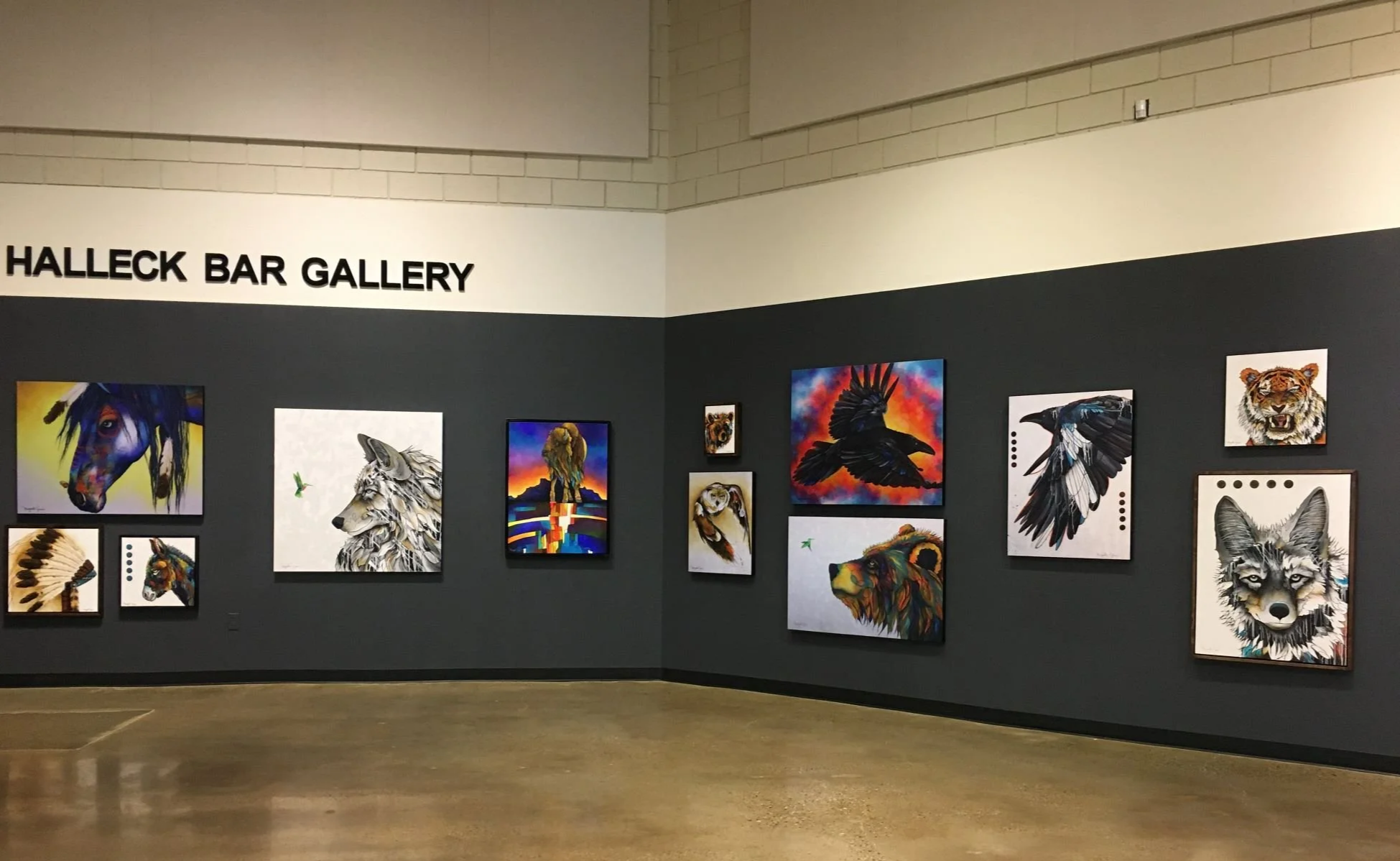
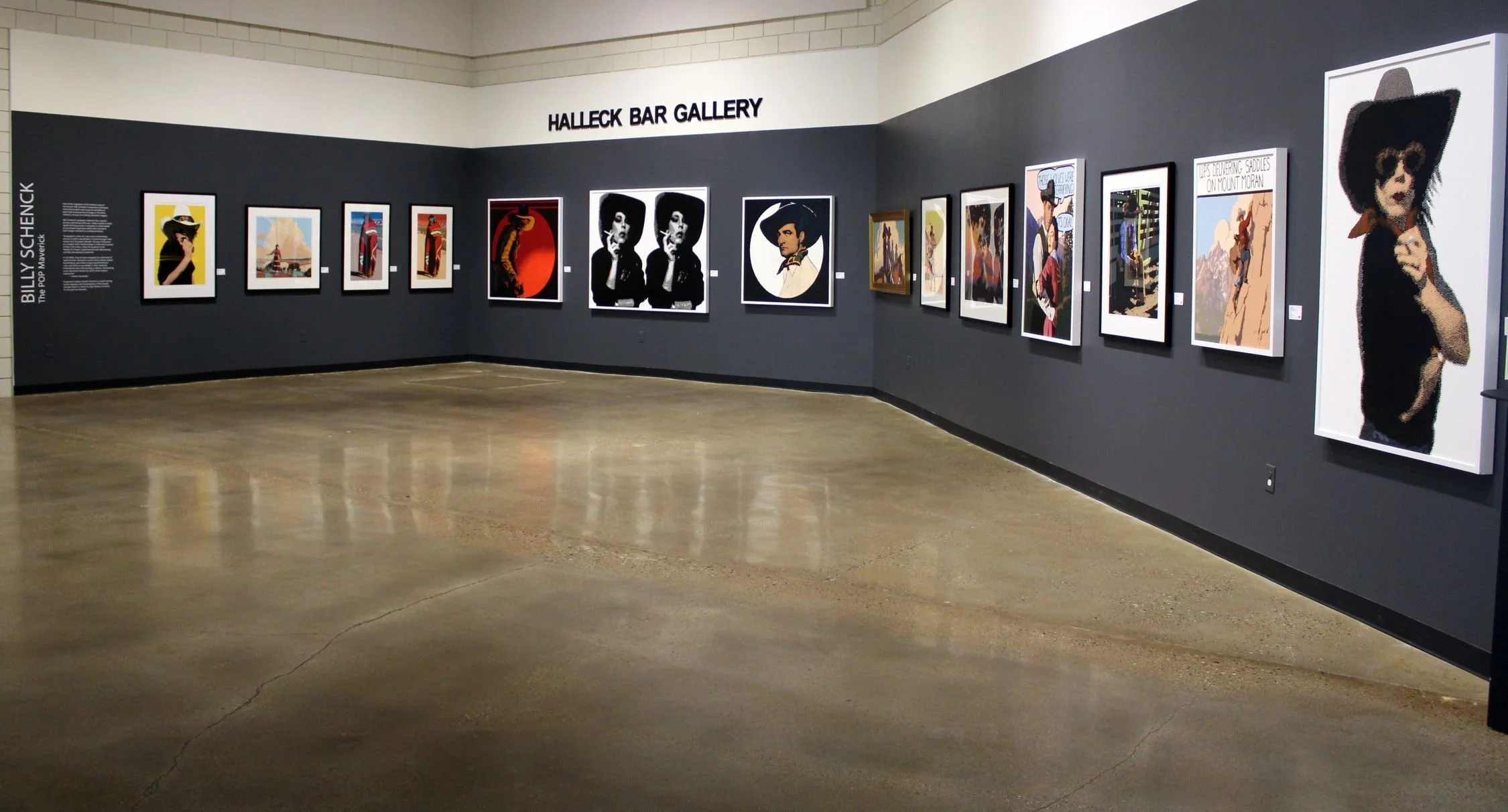
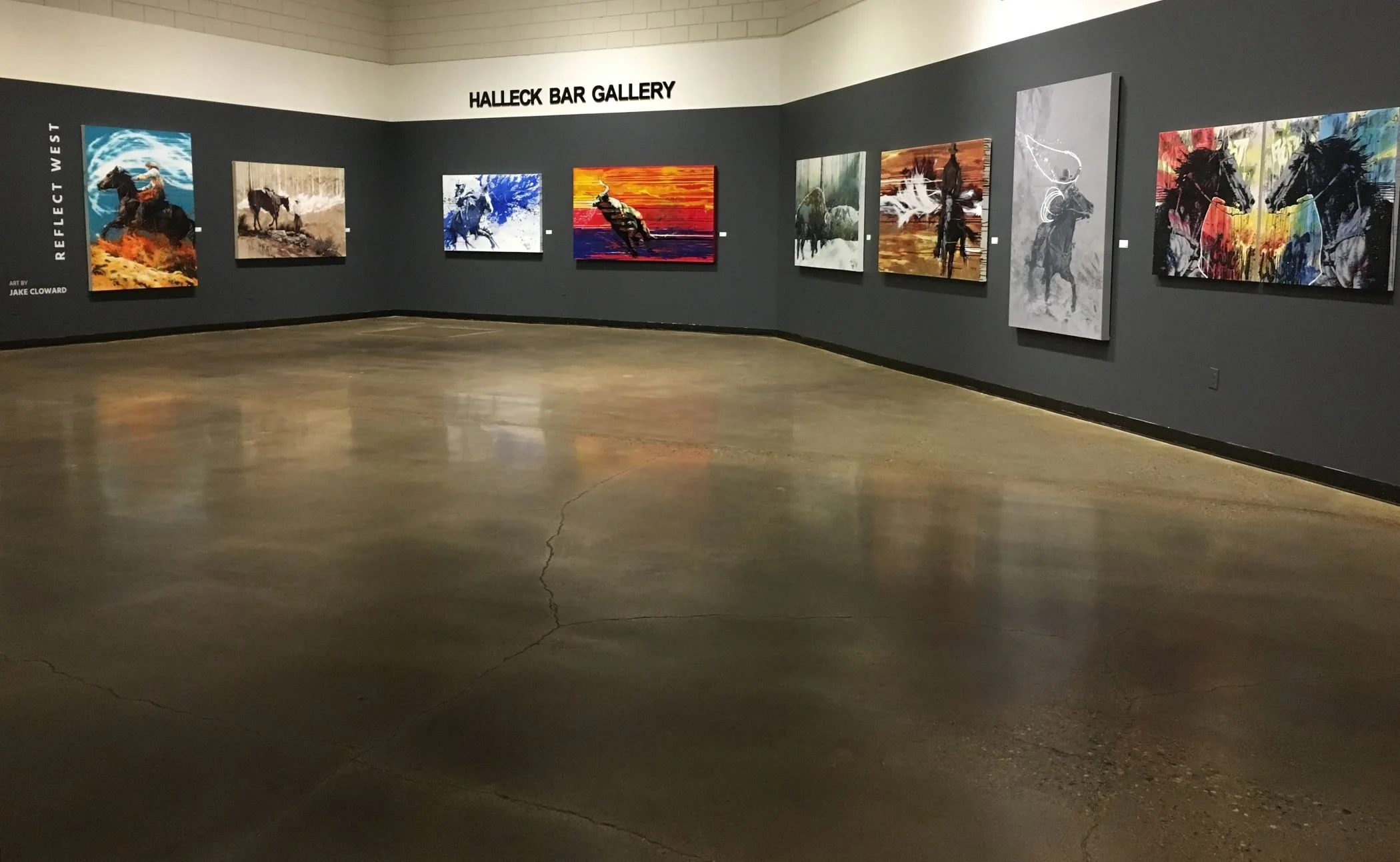
HALLECK BAR GALLERY
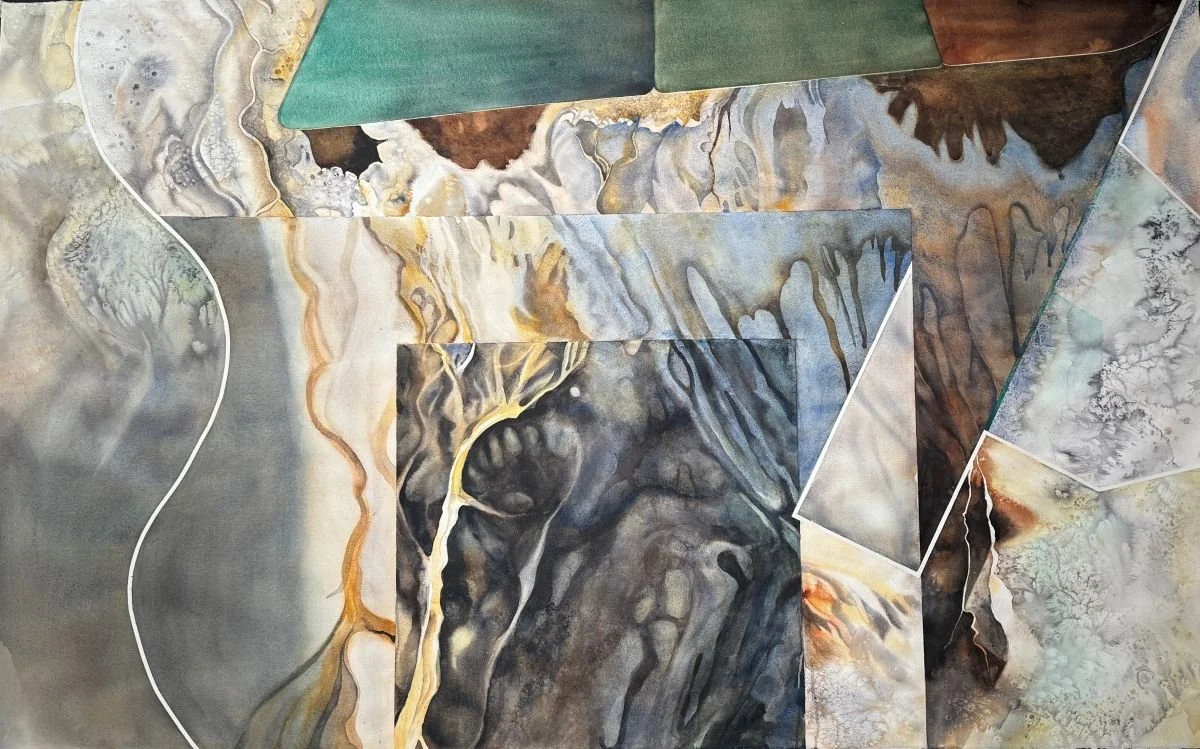
Emily Silver
At Play in the Fields / Wen-A-No-Nu-Fee (Big Smoky) Valley
On view in Halleck Bar Gallery until December 6, 2026
Artist Reception in Halleck Bar Gallery on Friday, September 11th, 2026, from 5-7PM
Second Saturday, our free children’s program, will be hosted by Emily Silver on September 12, 2026, from 10AM to Noon.
Plein Air Painting Tutorial with Emily Silver on Sunday, September 13, 2026, at 10AM at the Lamoille Powerhouse Campground. Enjoy a few hours of watercolor painting in nature with Emily Silver. You may bring your paintings for a critique session or simply enjoy an on-site painting workshop. Sign up by calling 775-738-3418.
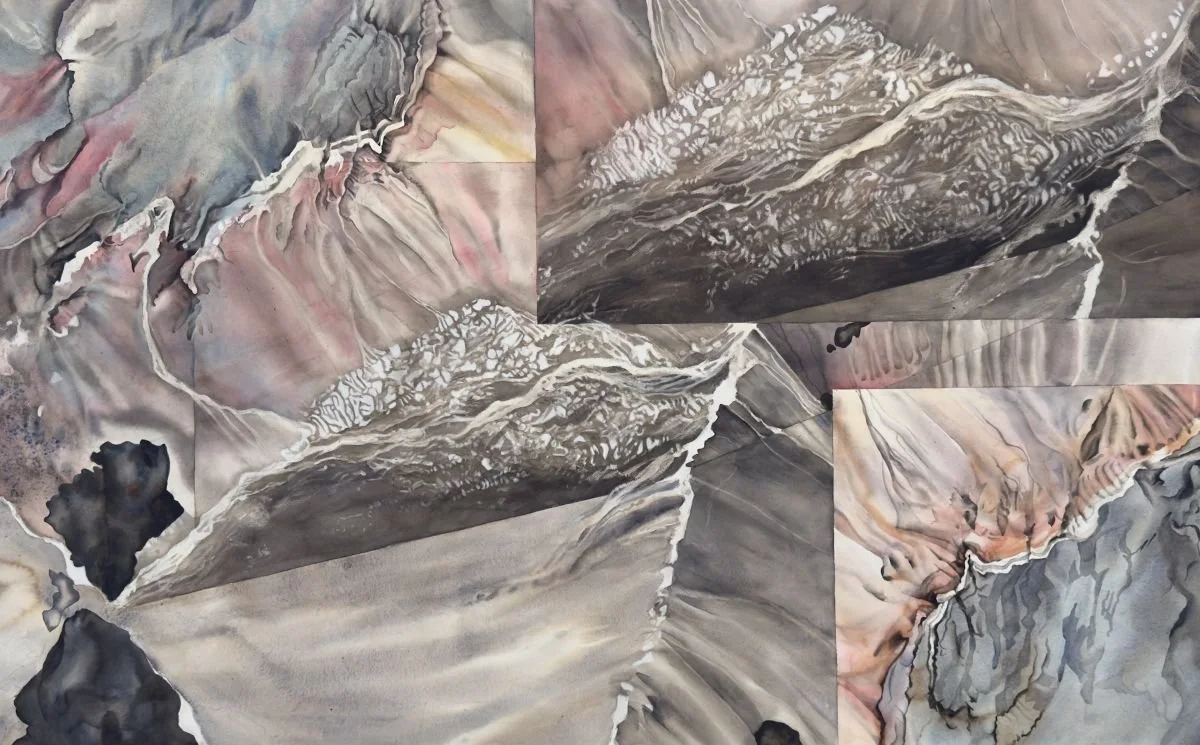
I’m interested in the emotional and poetic power of places, of the skin of the Earth; the action of watercolor paint; and the tension between abstraction, purpose, and realism that occurs in map and aerial views of our home, Earth.
My painting practice is driven by what Belden Lane, in The Solace of Fierce Landscapes, calls “acute, personal longing for fierce terrain”. Raised in Colorado in a family of geologists and artists whose ancestors took part in the settling and mapping of the West, I have a deep affinity for the desert.
Since childhood I’ve imagined running my hands over landforms as if stroking a body. I was crazy about school projects where I could sculpt salt clay into landscape dioramas. Now the deepest part of me is engaged by the miraculous way watercolor painting affords this sensation.
This work emerges from playful manipulation of satellite images of Wen-A-No-Nu-Fee (Big Smoky) Valley, a vast 100-mile-long landform of the Tonopah Basin between the Toiyabe and Toquima mountain ranges in central Nevada. I have a studio there. Mountain man Jedediah Smith crossed the valley in 1827, possibly having named it for the smoky blue haze that fills its distances.
Having downloaded open-data satellite photos around the entire valley, I’ve cut, copied, distorted, and reconfigured fascinating drainage patterns, human-made marks such as roadways and mine ponds, vegetation, and geological attributes into playful geometric arrangements comingling place and process and symbolizing personal emotional growth.
“The physical act of painting is itself mysterious, profoundly disorienting,” said Darren Waterston. A painting evolves during a sequential process of unfolding revelations and recognition. I’m forever amazed by the physical ability of sediment suspended in water to convey the emotional content of places using the same elemental forces that sculpt land.
-Emily Silver
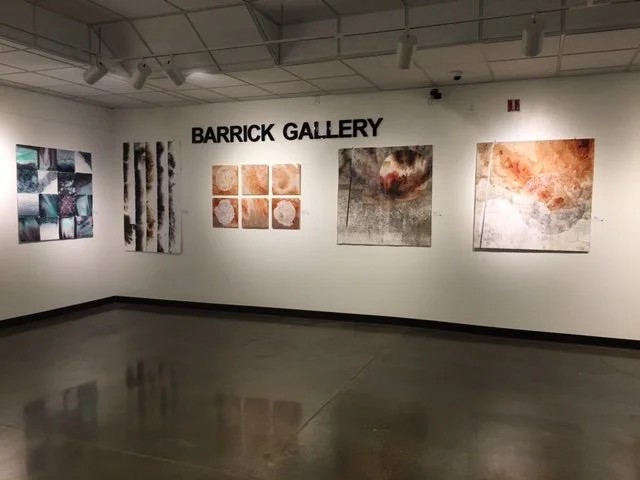
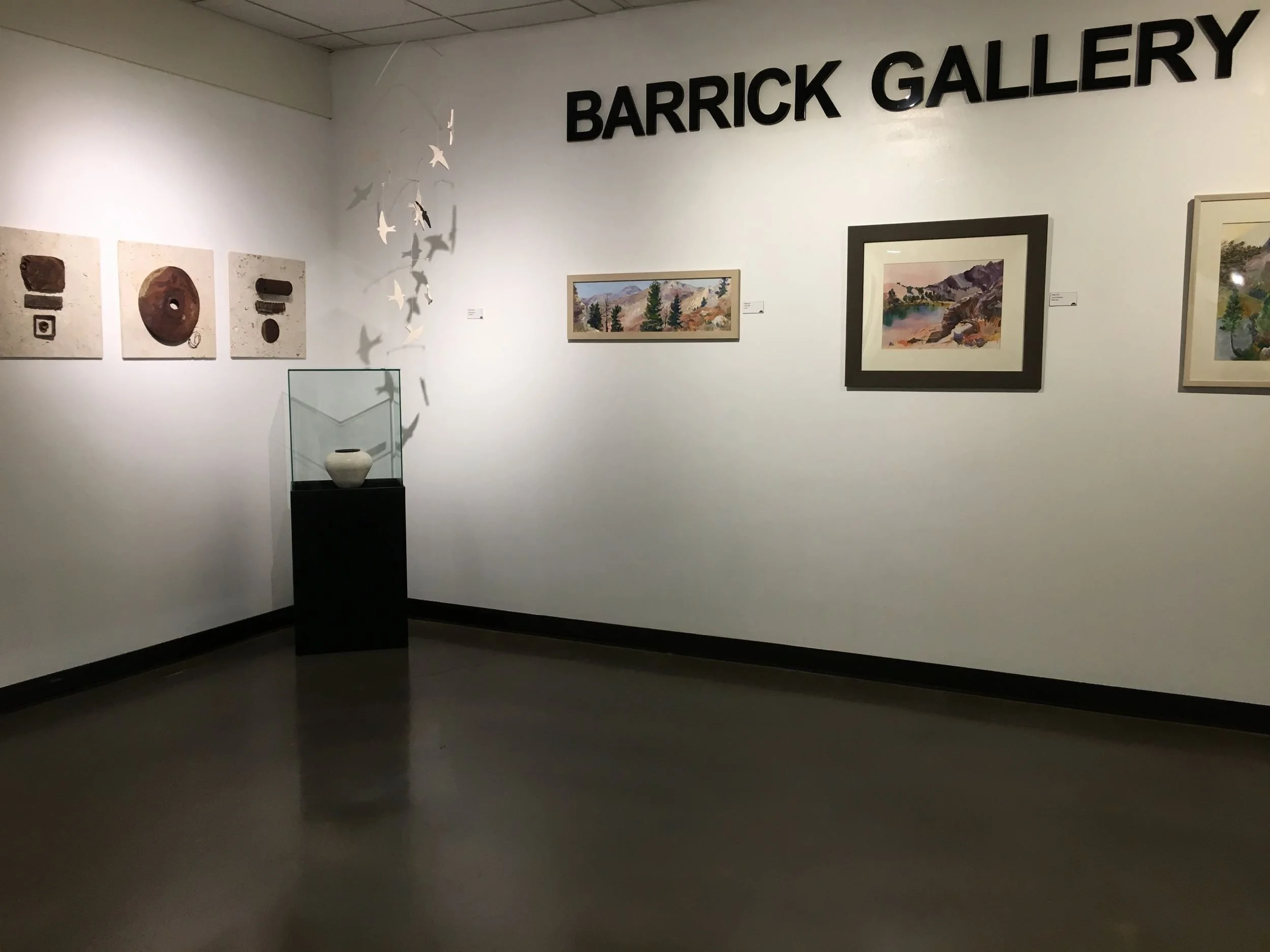
BARRICK GALLERY
Lee Silliman
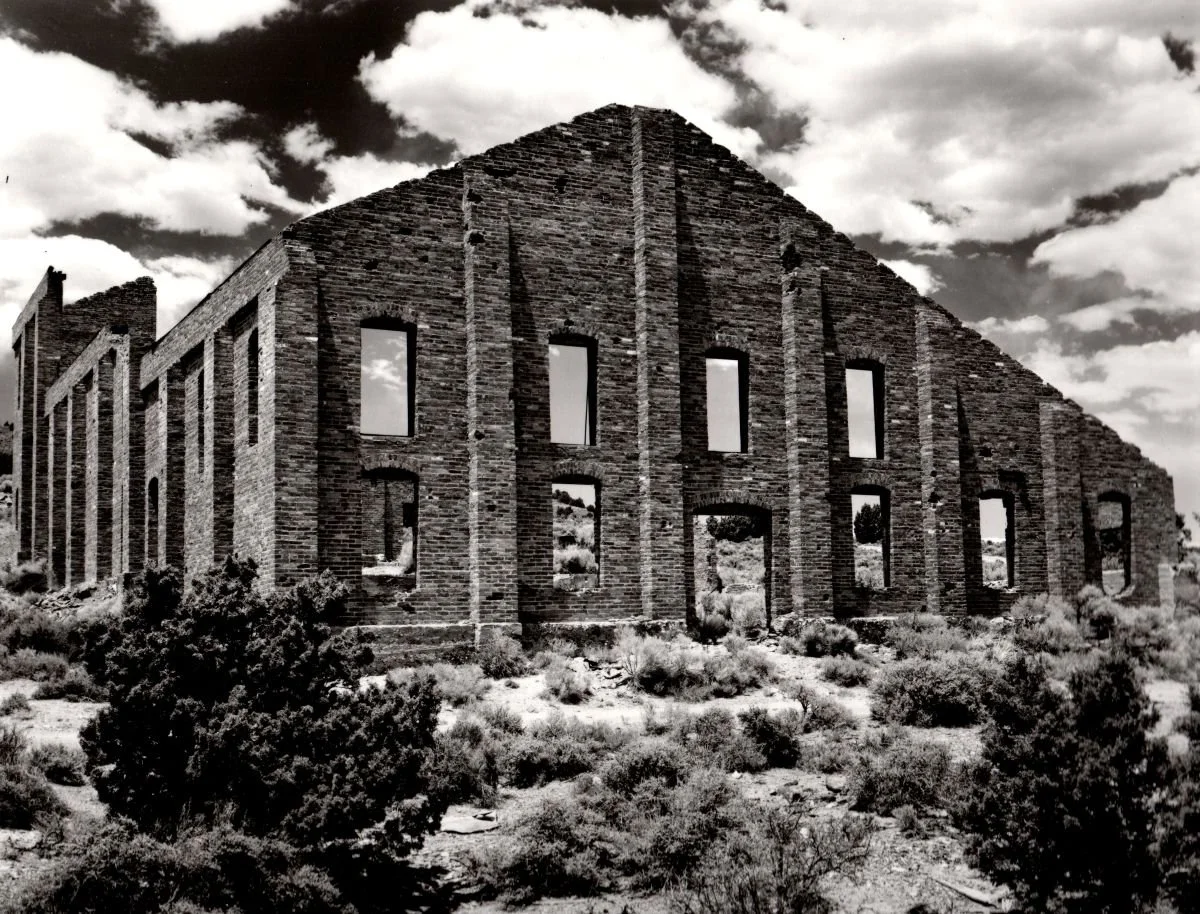
Nevada Yesterdays: A Poignant Glimpse into the Silver State’s Past
On view in Barrick Gallery until December 8, 2026
The early European-American miners who advanced upon the basin and range geography of Nevada in the 19th century were a determined lot. To establish remote mines, mills, and communities, they needed “true grit.” When their economies collapsed, they resolutely moved on, leaving scattered reminders of their earnest endeavors.
I have sought out these crumbling remnants of Nevada’s past to record them with my 8x10-inch view camera. Some structures are readily found near county roads, while others are found in remote country via four-wheel drive tracks, and sometimes by hiking beyond the road. These historic structures evince man’s ingenuity and determination in the face of Nature’s formidable challenges. May my images honor their frontier spirit.
-Lee Silliman
PERMANANT ART COLLECTIONS
RC & MARY ELLIS GALLERY
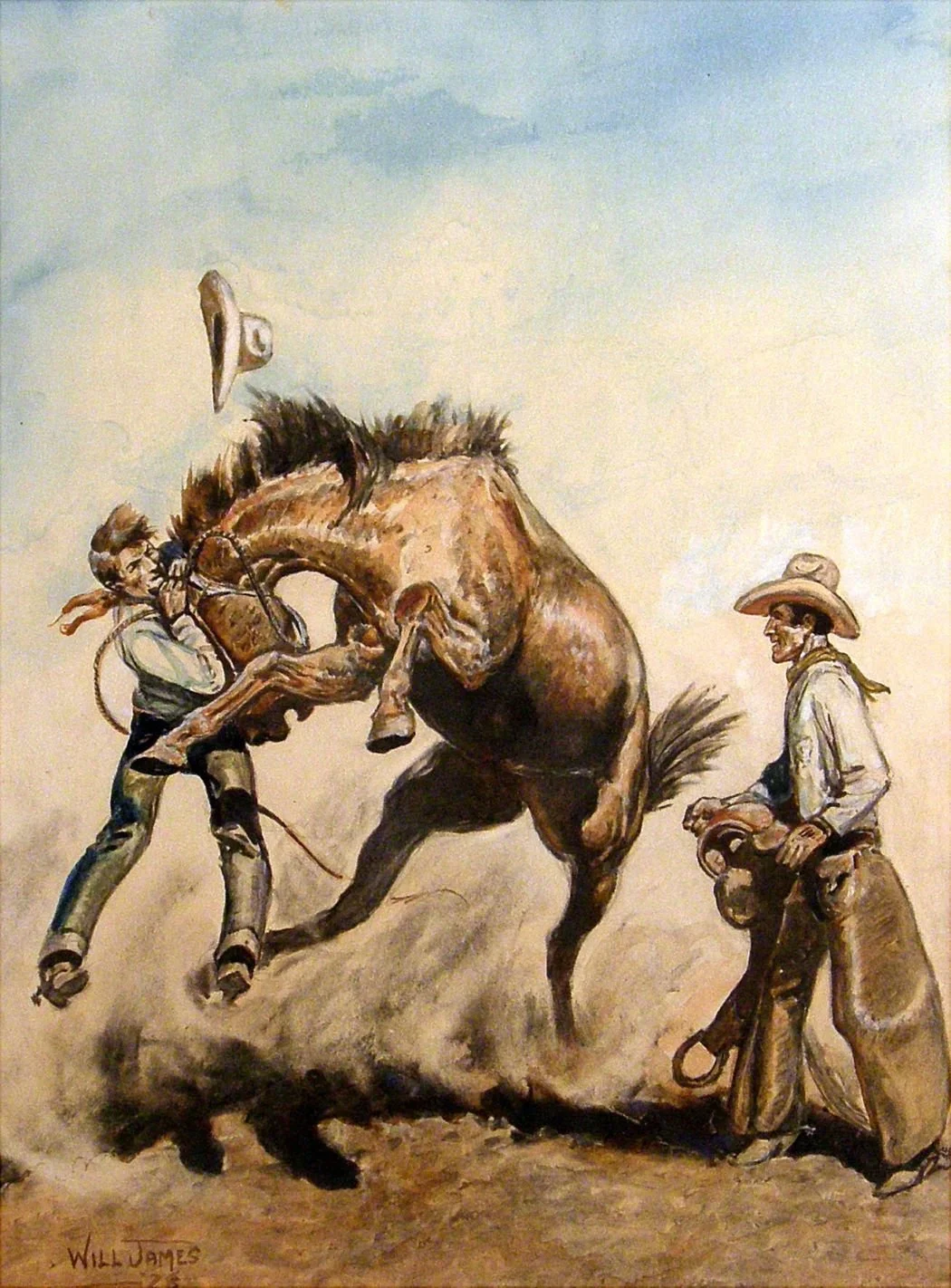
The Will James Collection
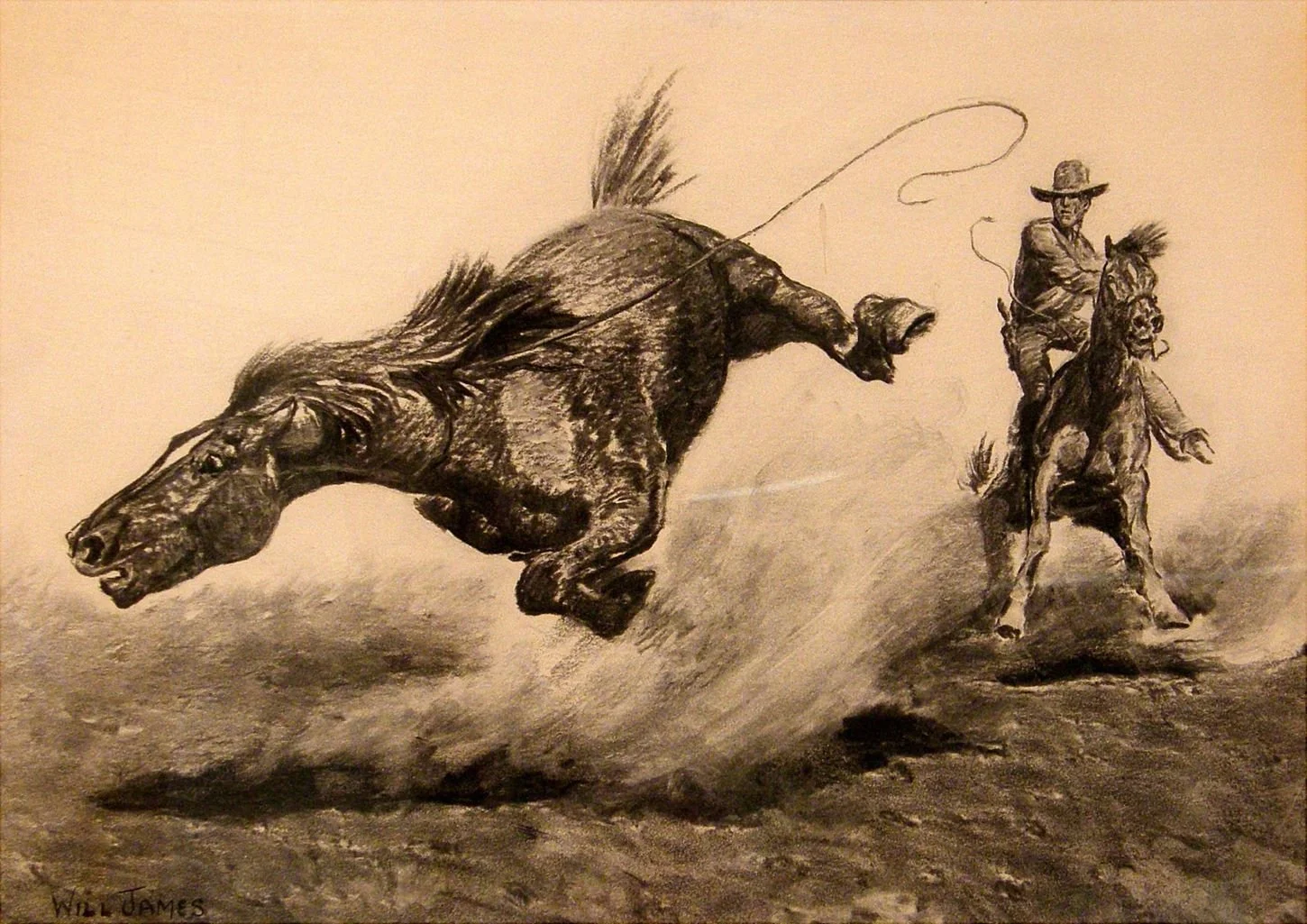
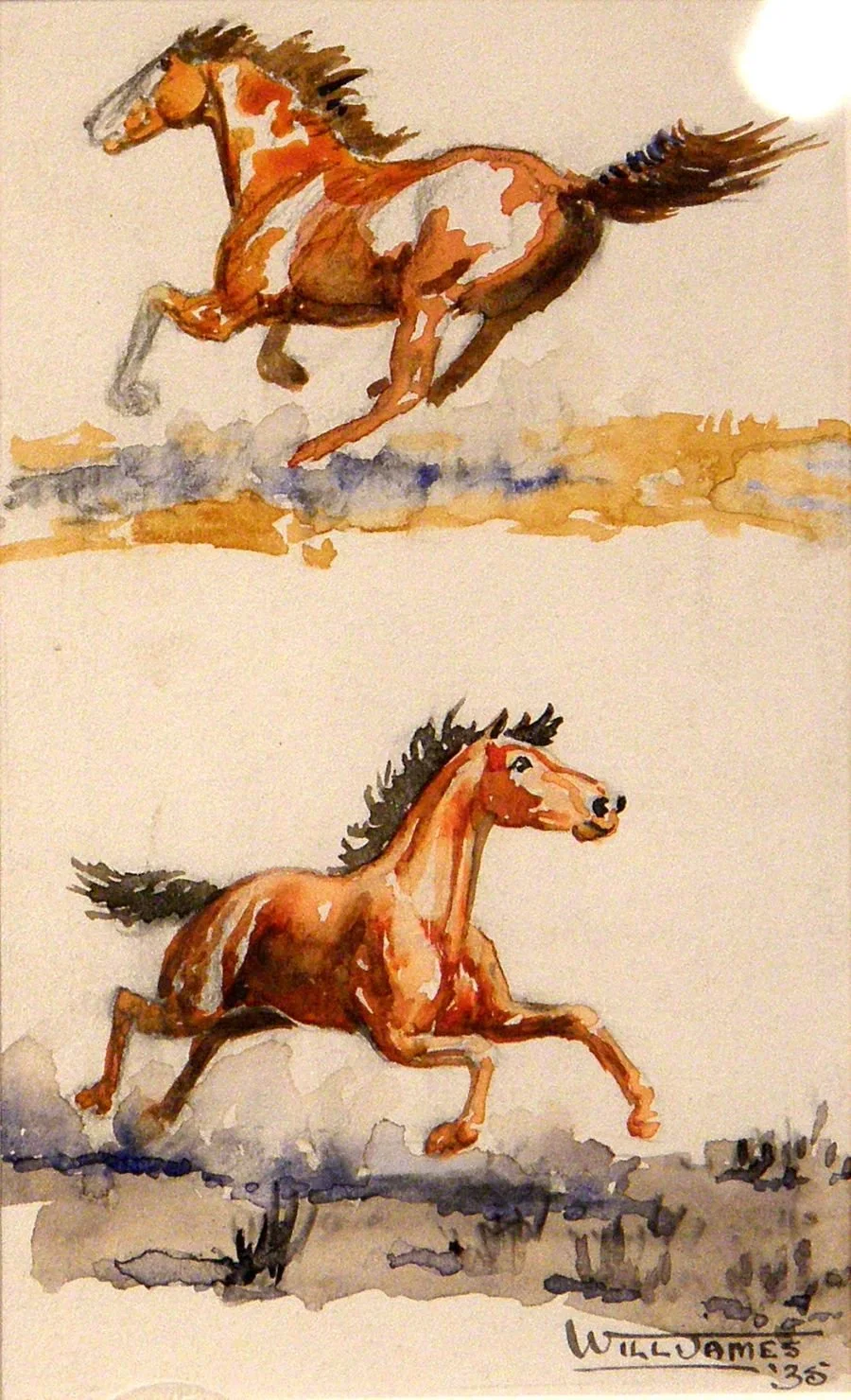
At the heart of our permanent collection is the RC & Mary Ellis Gallery, which houses the Will James Collection, donated by Don Frazier of Phoenix, Arizona. Will James (1892–1942) was a legendary Western artist, author, and cowboy whose work defined the spirit of the American frontier.
The Northeastern Nevada Museum proudly holds the second largest Will James collection in the world, including original drawings, watercolors, sketches, and first-edition signed books. Each piece reveals James’s deep understanding of cowboy life and his ability to translate the romance and realism of the West into timeless art.
About Will James:
Born Joseph Ernest Nephtali Dufault in Quebec in 1892, Will James reinvented himself as a cowboy, artist, and writer of the American West. His work is deeply rooted in authenticity—he drew what he lived. His most famous book, Smoky the Cowhorse (1926), earned the Newbery Medal in 1927 and remains a Western classic. James’s illustrations and stories reflect the independence and adventure that define life in the open range, and his influence continues to shape the art and literature of cowboy culture today.

Western Masters: Edward Borein, Ansel Adams, and Edward Weston
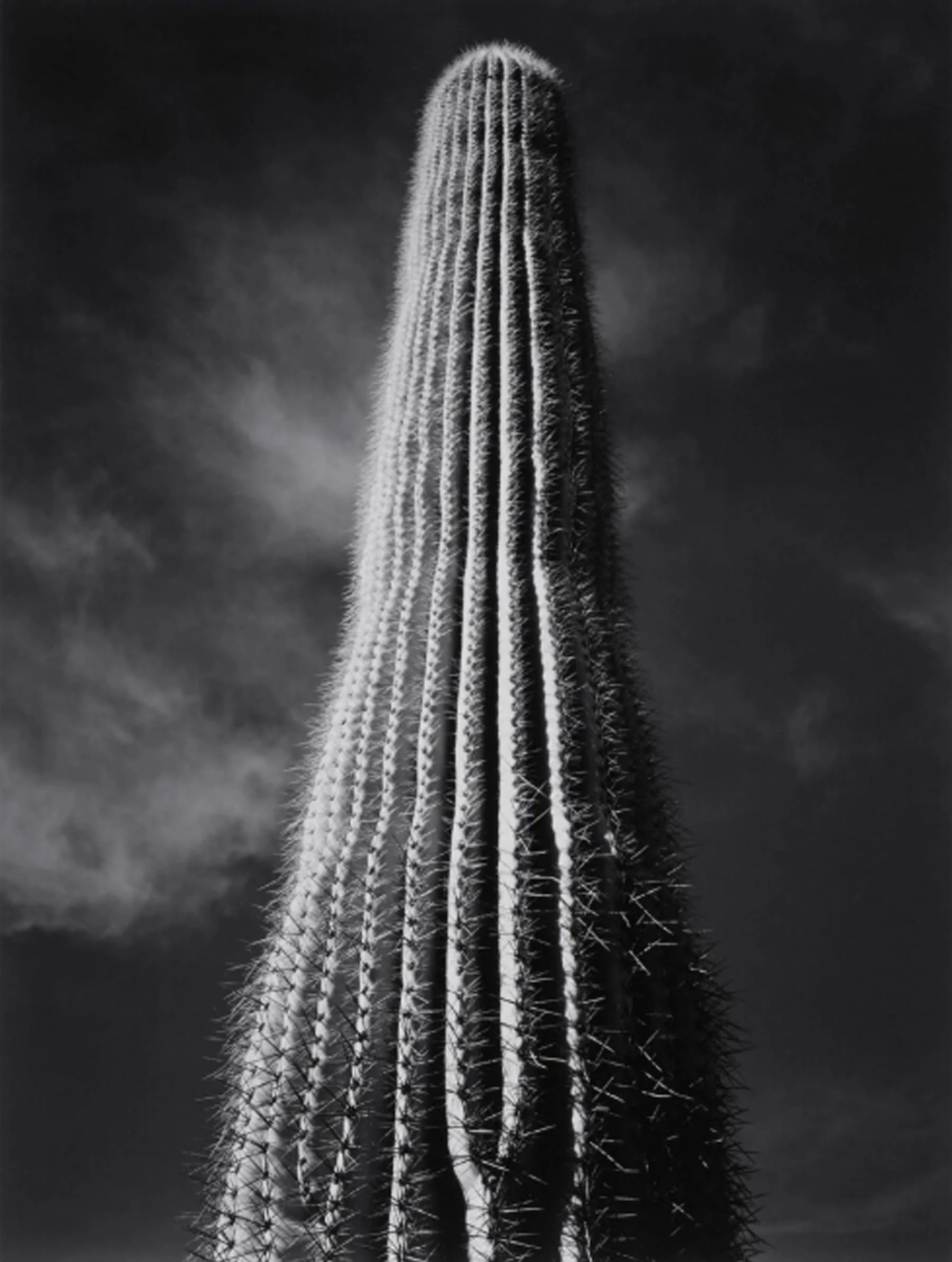
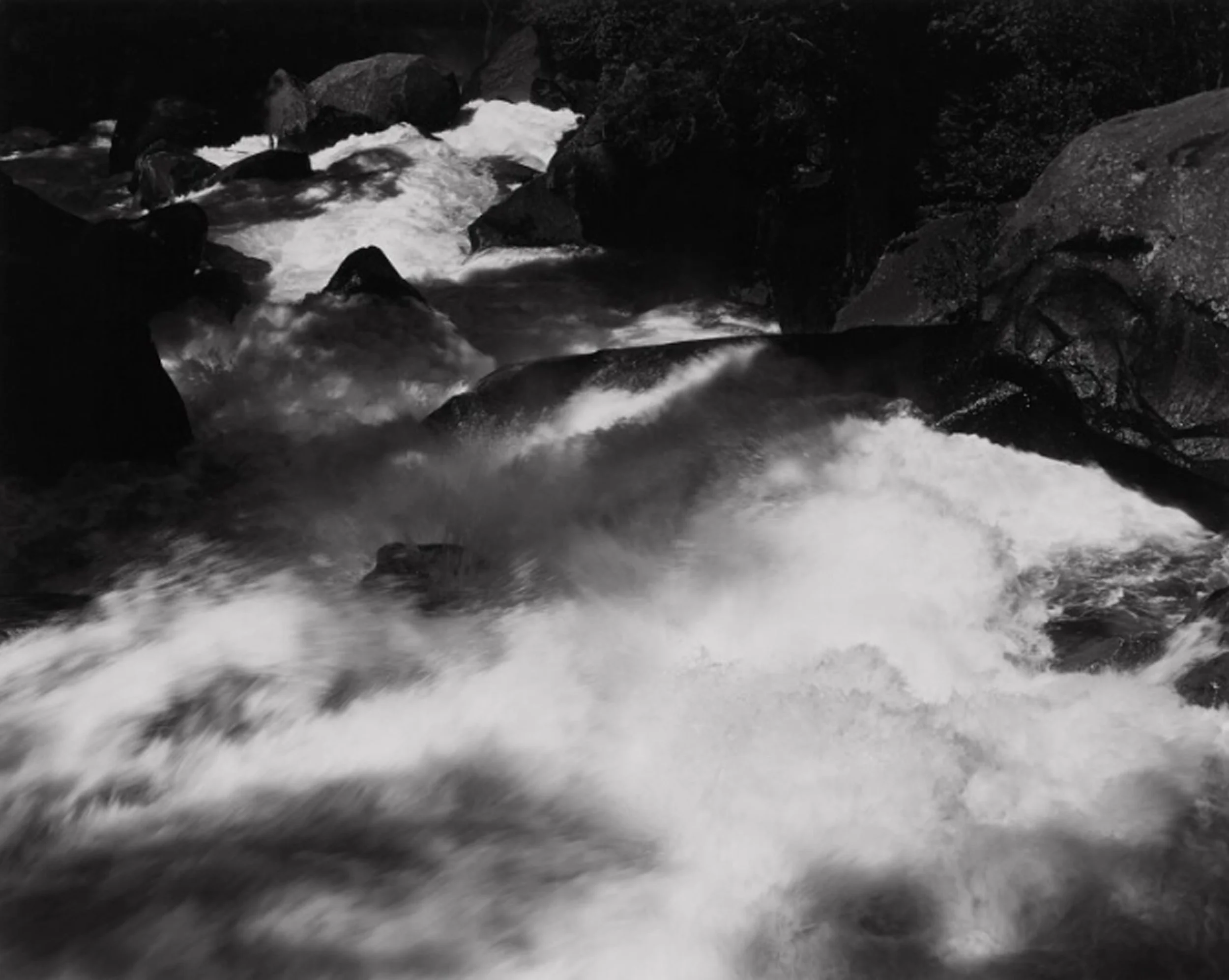
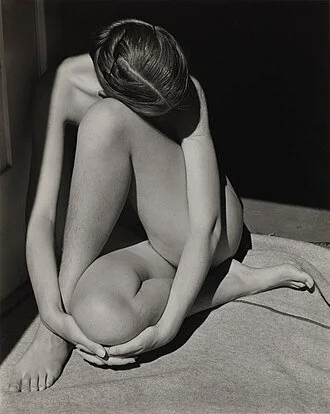
The museum’s permanent art collection also proudly features works by three of America’s most influential artists of the West—Edward Borein, Ansel Adams, and Edward Weston. Together, their pieces reveal the rugged beauty, open spirit, and timeless artistry that define life in the American frontier.
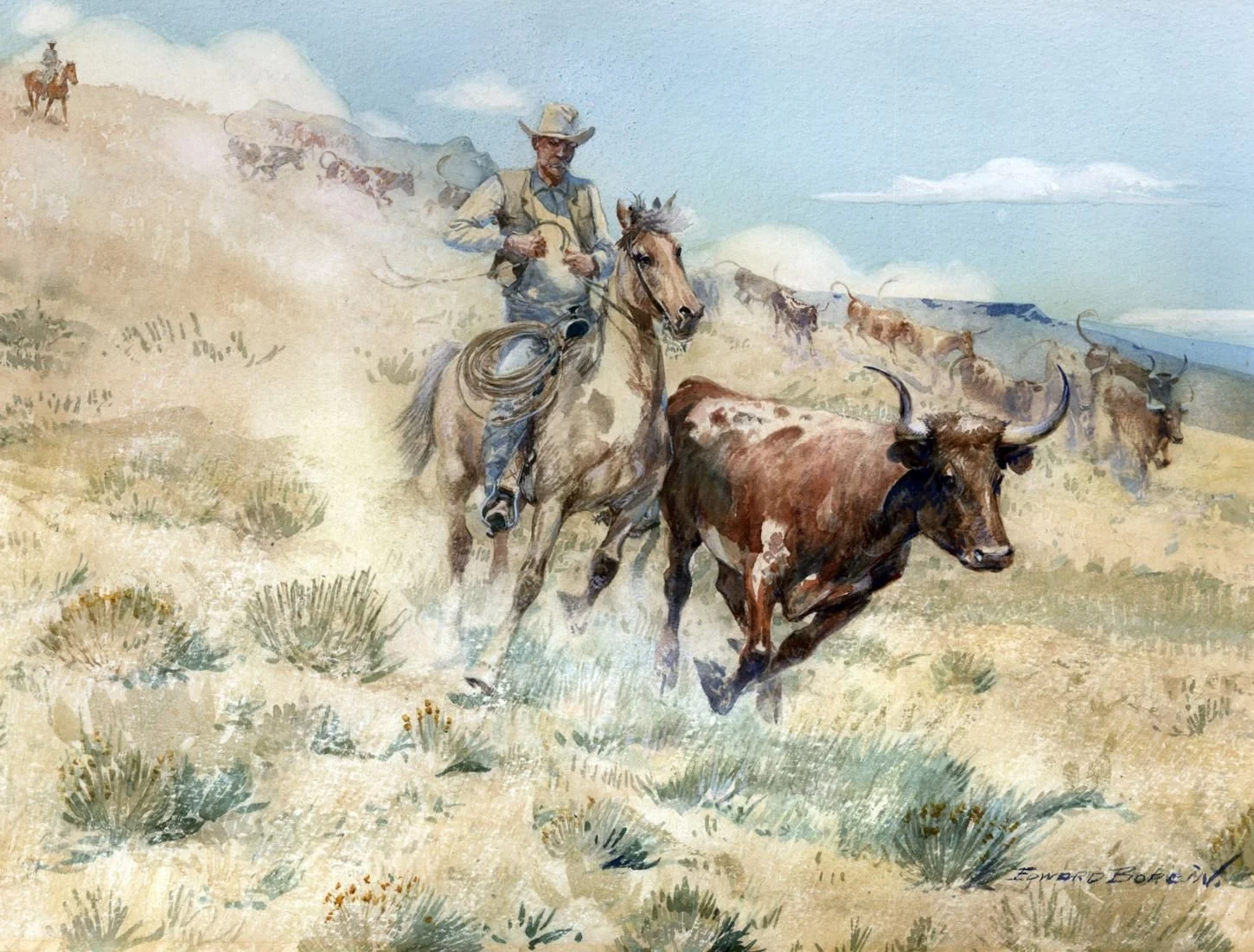
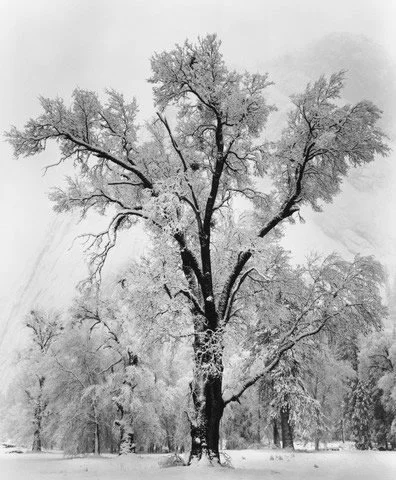
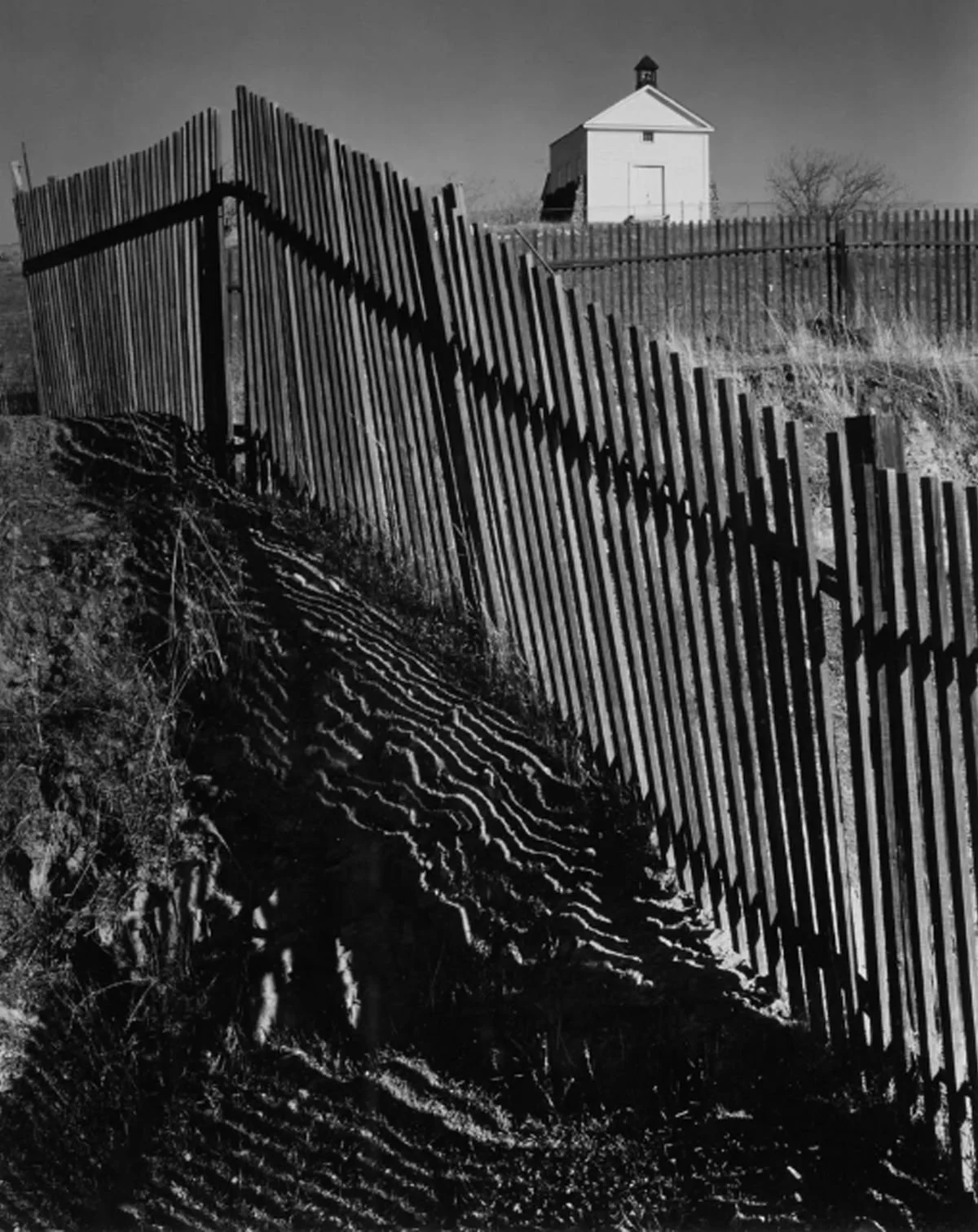
The collection includes ten etchings and watercolors by Edward Borein (1872–1945), a celebrated cowboy artist whose firsthand experience in ranching and vaquero life gave his work unmatched authenticity. These pieces, donated by Jack Rice of Reno, stand alongside the breathtaking photography of Ansel Adams (1902–1984) and the modernist compositions of Edward Weston (1886–1958)—both donated by Earl and Genevieve Frantzen. Each artist captured the essence of the American West in a unique way: Borein through ink and motion, Adams through light and grandeur, and Weston through form and simplicity.
About Edward Borein
John Edward Borein was born in San Leandro, California, in 1872. Before devoting himself to art, he worked as a cowboy across the West, Mexico, and California — experiences that gave him a deep, firsthand understanding of the life he would later portray. His etchings and watercolors vividly capture ranch scenes, vaqueros, and Native American culture with a level of authenticity few artists have achieved. Known as one of the most genuine interpreters of Western life, Borein’s work preserves a vanishing era with honesty, respect, and remarkable detail.
About Ansel Adams:
Ansel Adams, born in San Francisco in 1902, is one of America’s most celebrated photographers. Known for his black-and-white images of the American West, Adams’s mastery of light and shadow forever changed landscape photography. He co-founded Group f/64 and developed the Zone System—a technique that allowed photographers to achieve remarkable tonal range and detail. His Portfolio One, part of the museum’s collection, captures the grandeur of the Western landscape and the spirit of preservation that defines both his work and the heart of Nevada.
About Edward Weston:
Edward Weston began photographing at sixteen after receiving a simple camera from his father. His innovative approach to form, texture, and composition transformed photography into fine art. Weston’s work invites viewers to see the extraordinary within the ordinary—whether in the curve of a shell, the structure of a pepper, or the landscape of the American West. His photographs, embody the modernist ideals of simplicity, precision, and beauty that continue to inspire artists today.


ROTATING EXHIBITS & REGIONAL ARTISTS
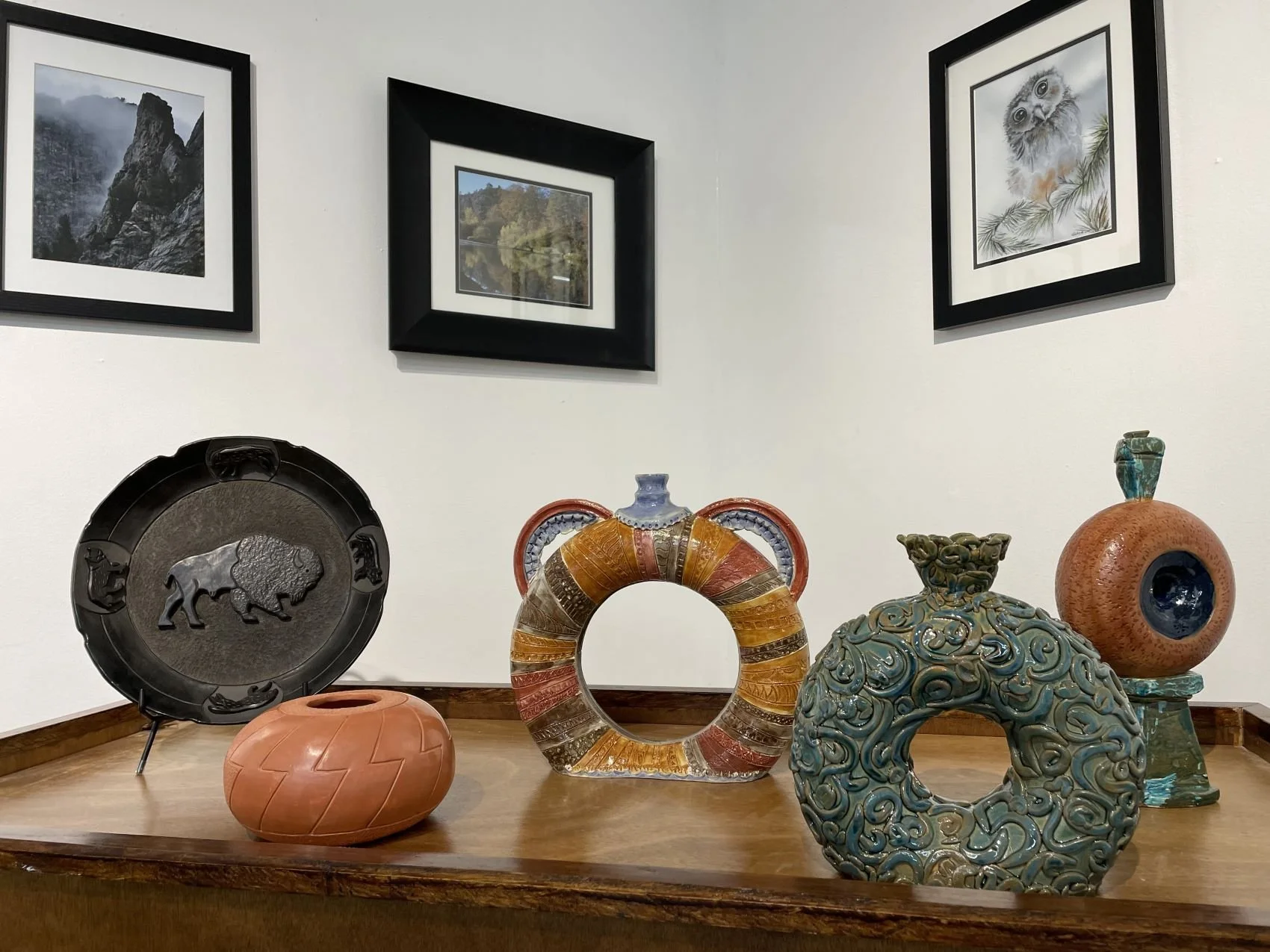
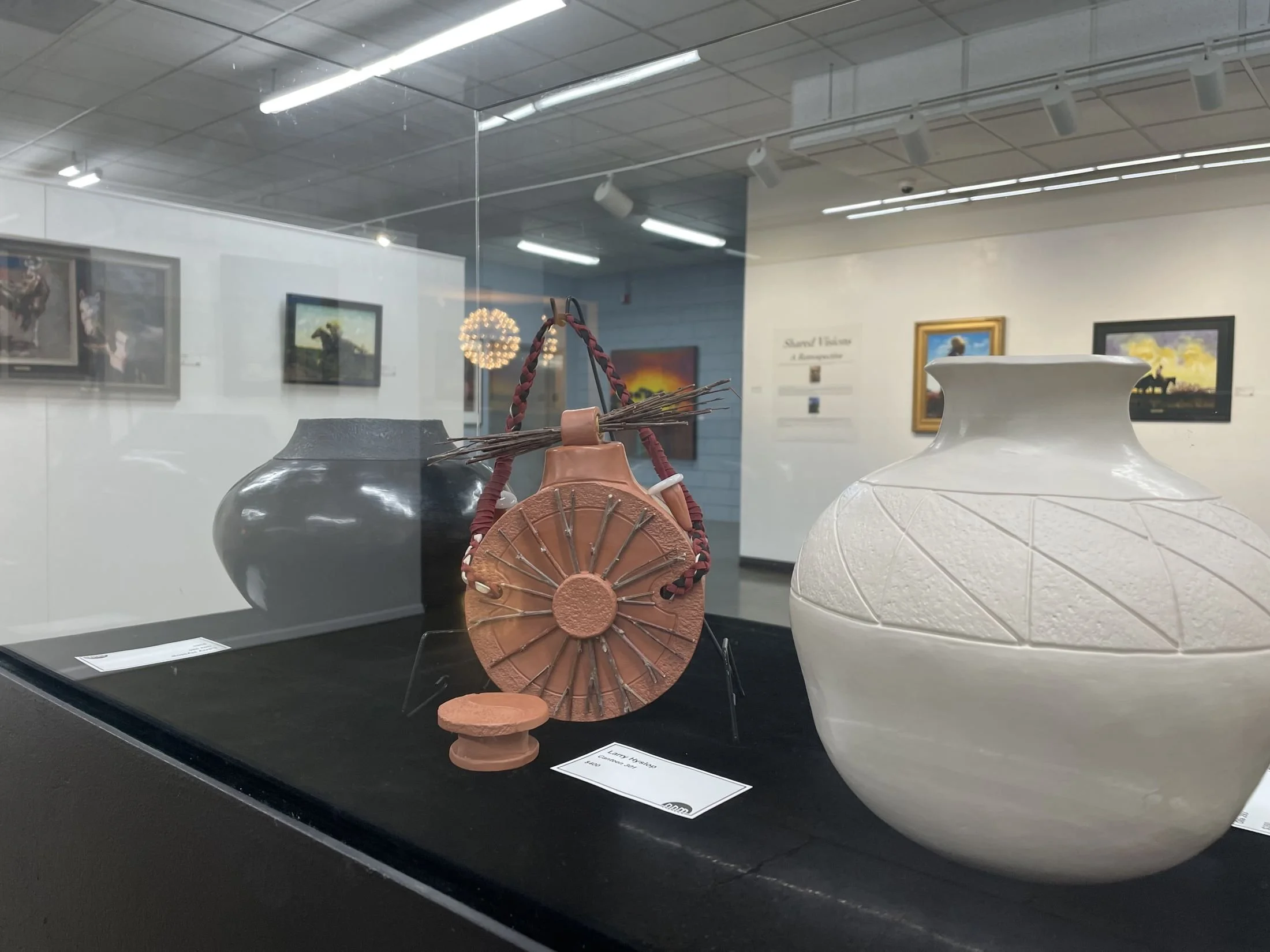
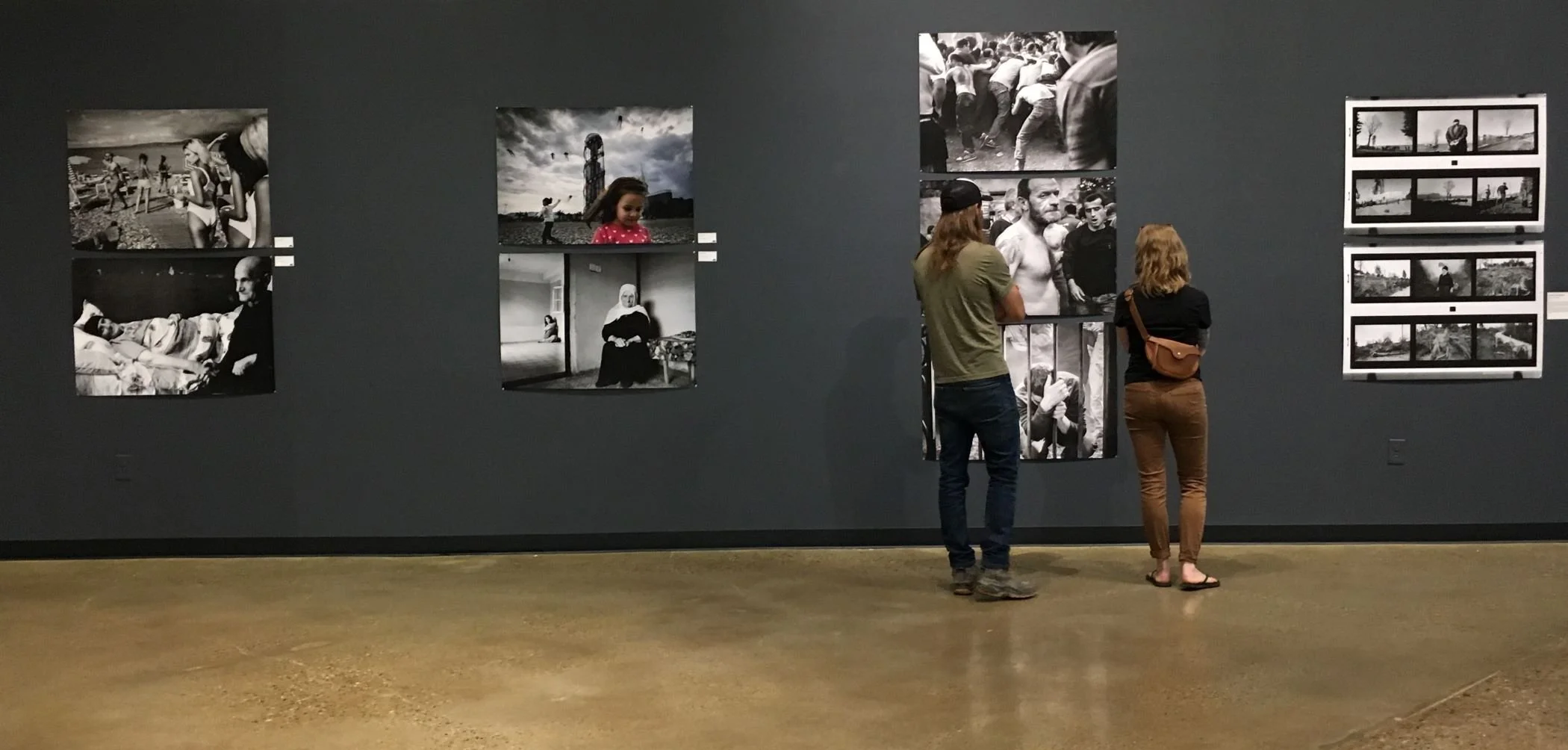
In addition to its permanent collections, the museum features two dynamic rotating galleries that highlight local and regional creativity.
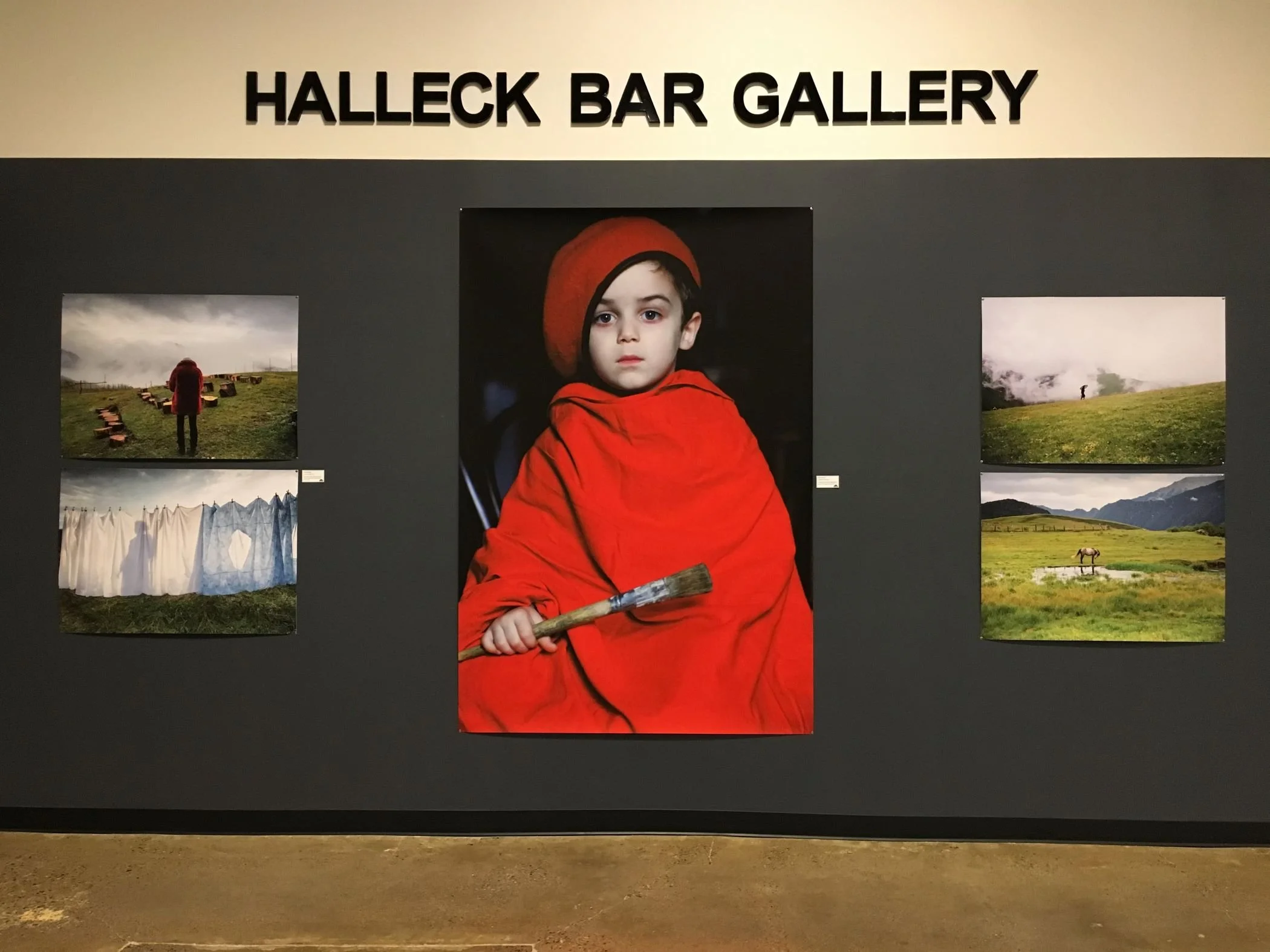
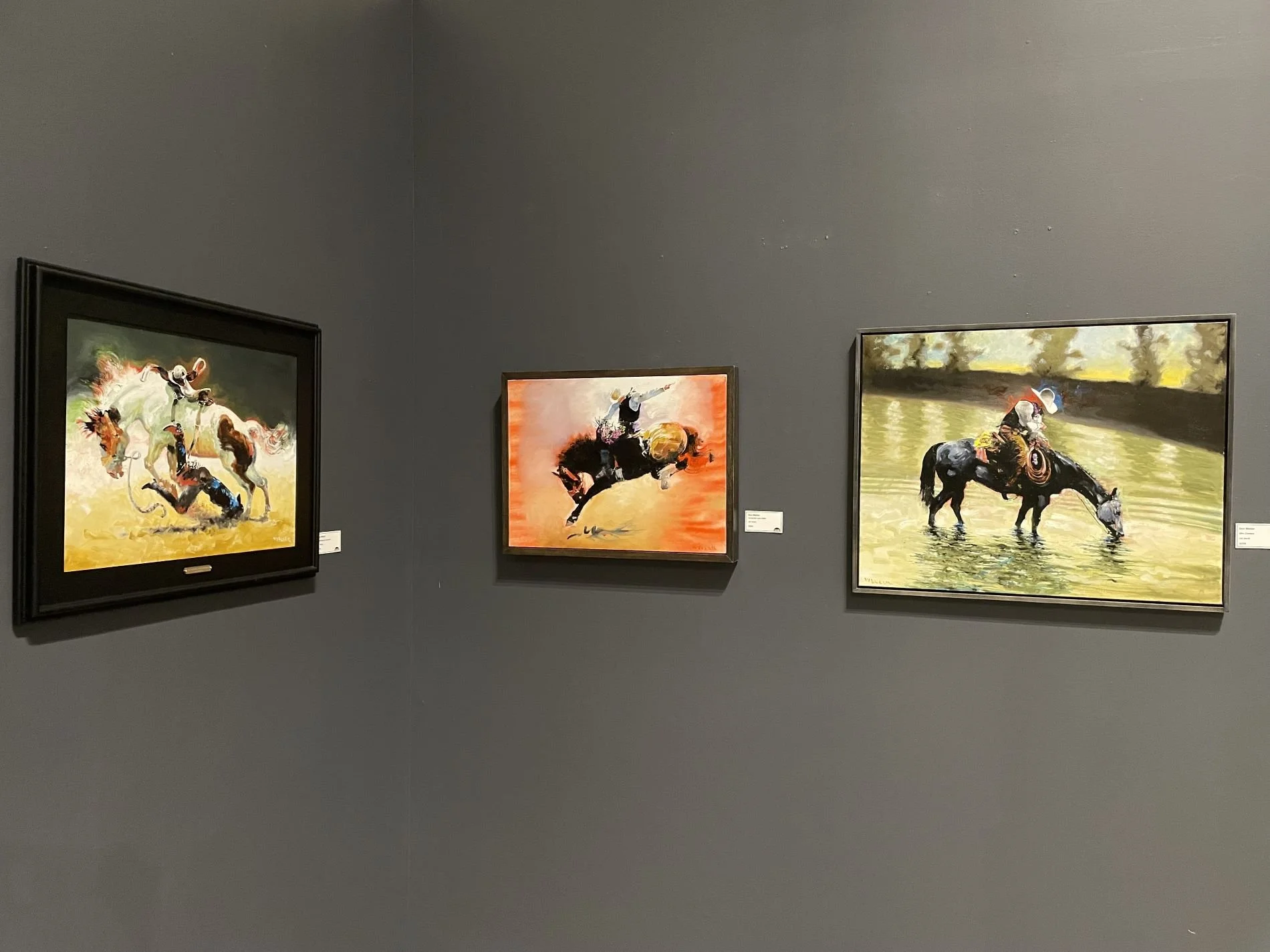
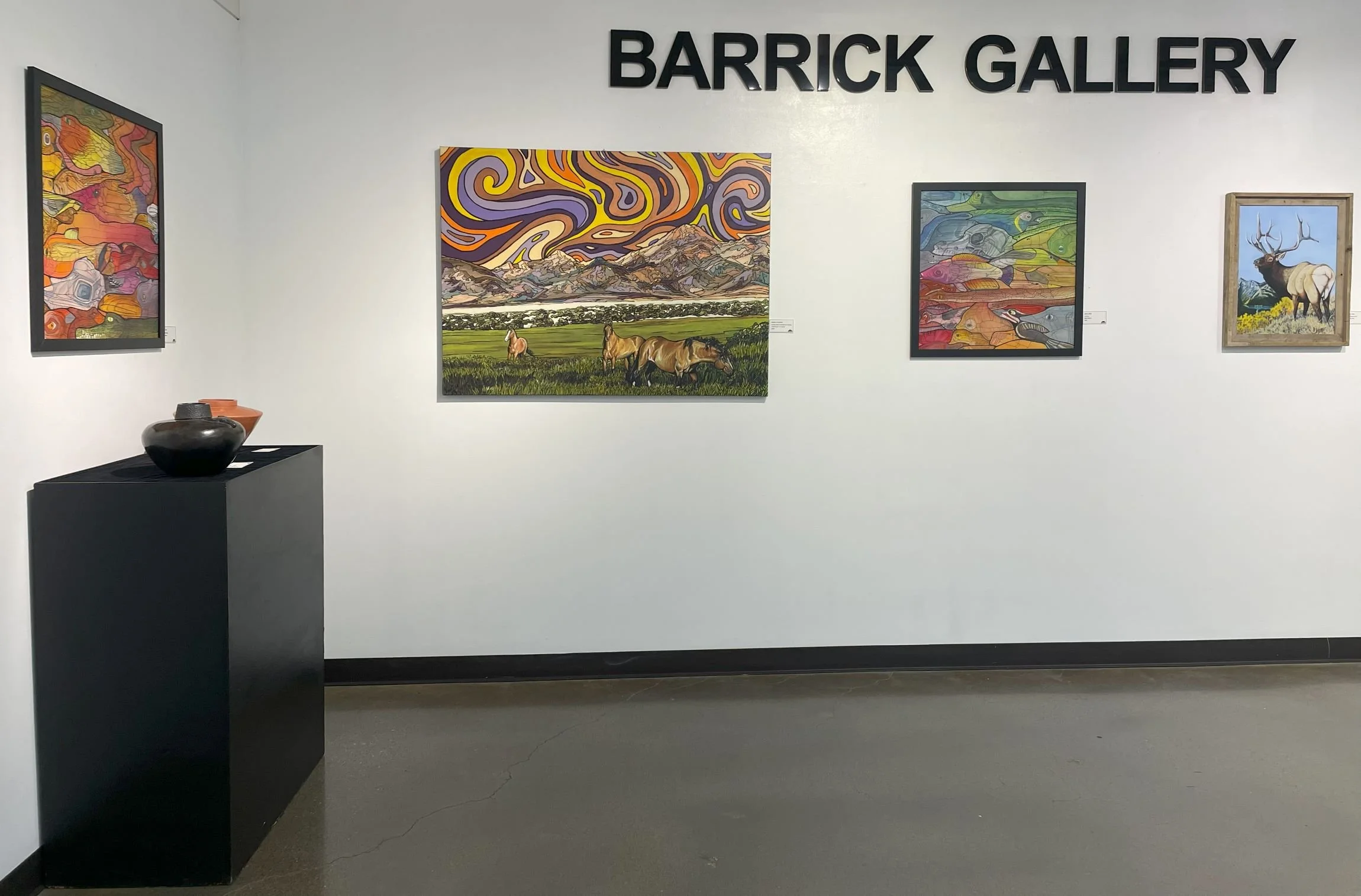
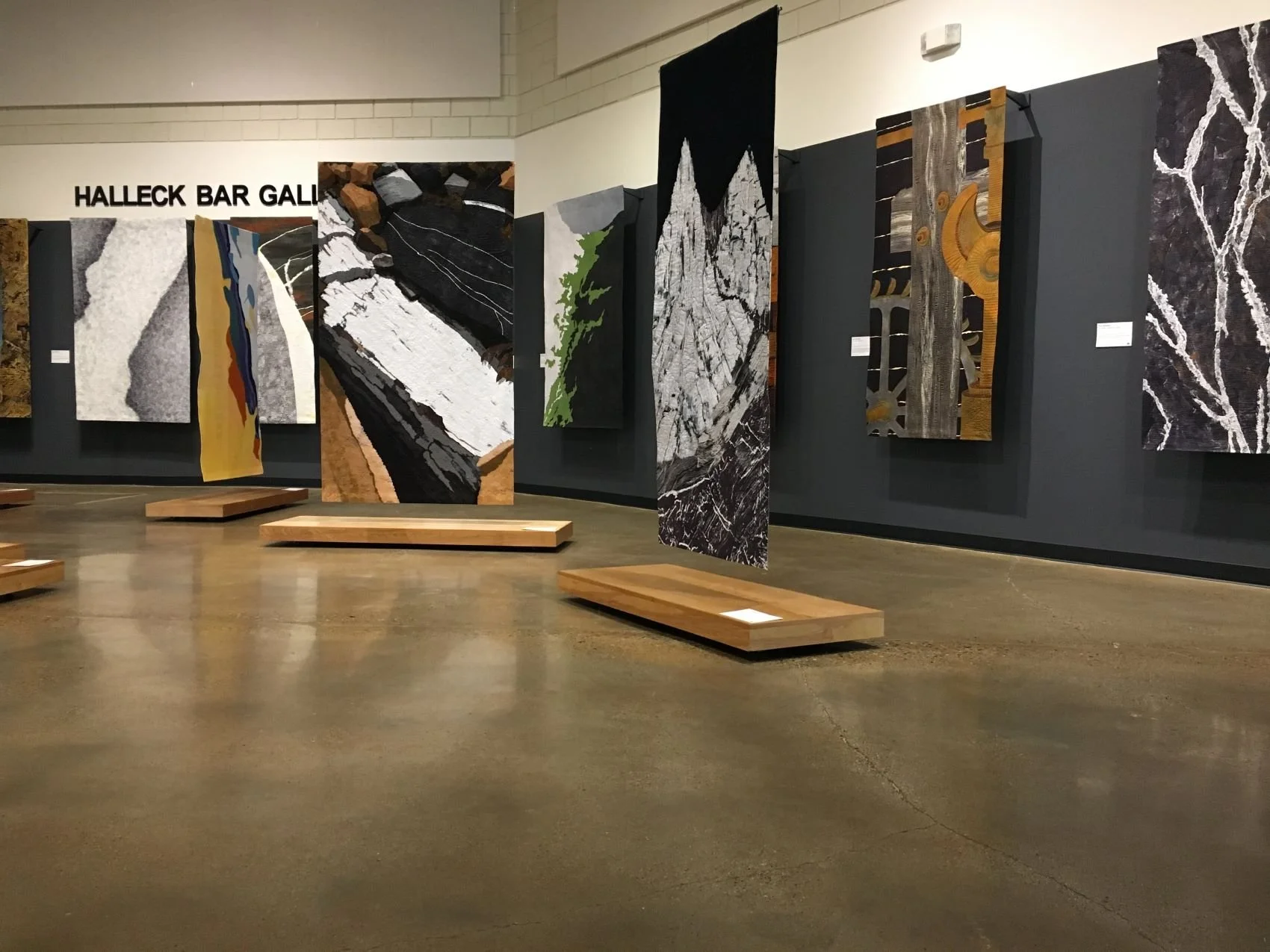
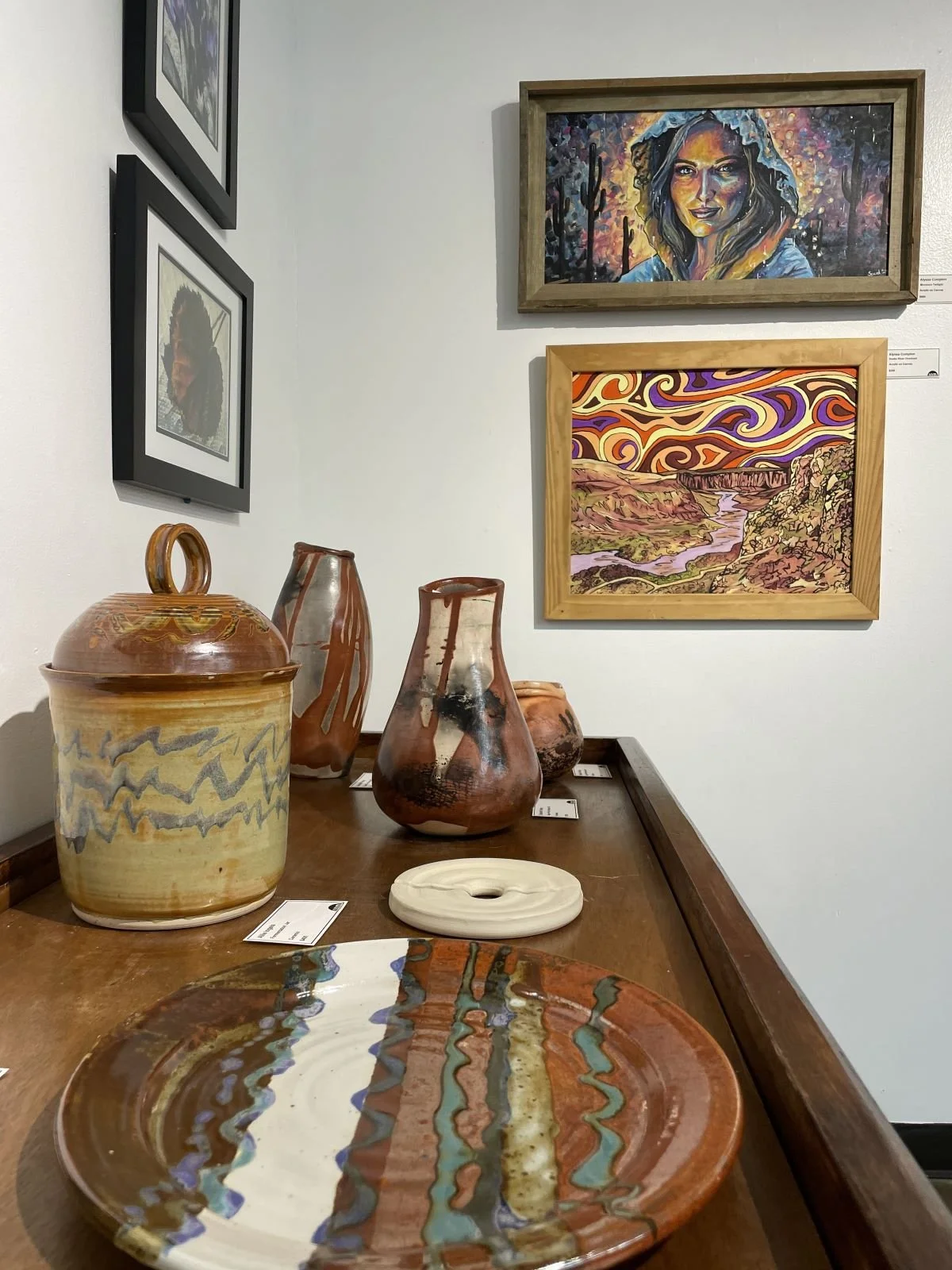
The Halleck Bar Gallery, located beside the museum’s historic bar display, showcases rotating art and cultural exhibits featuring artists from across the Great Basin and beyond. The Barrick Gallery also hosts an ongoing rotation of exhibits, including the Elko County Art Club Annual Show & Sale and the Elko County School District Annual Student Art Show—two beloved community traditions that celebrate local talent and inspire the next generation of Nevada artists.
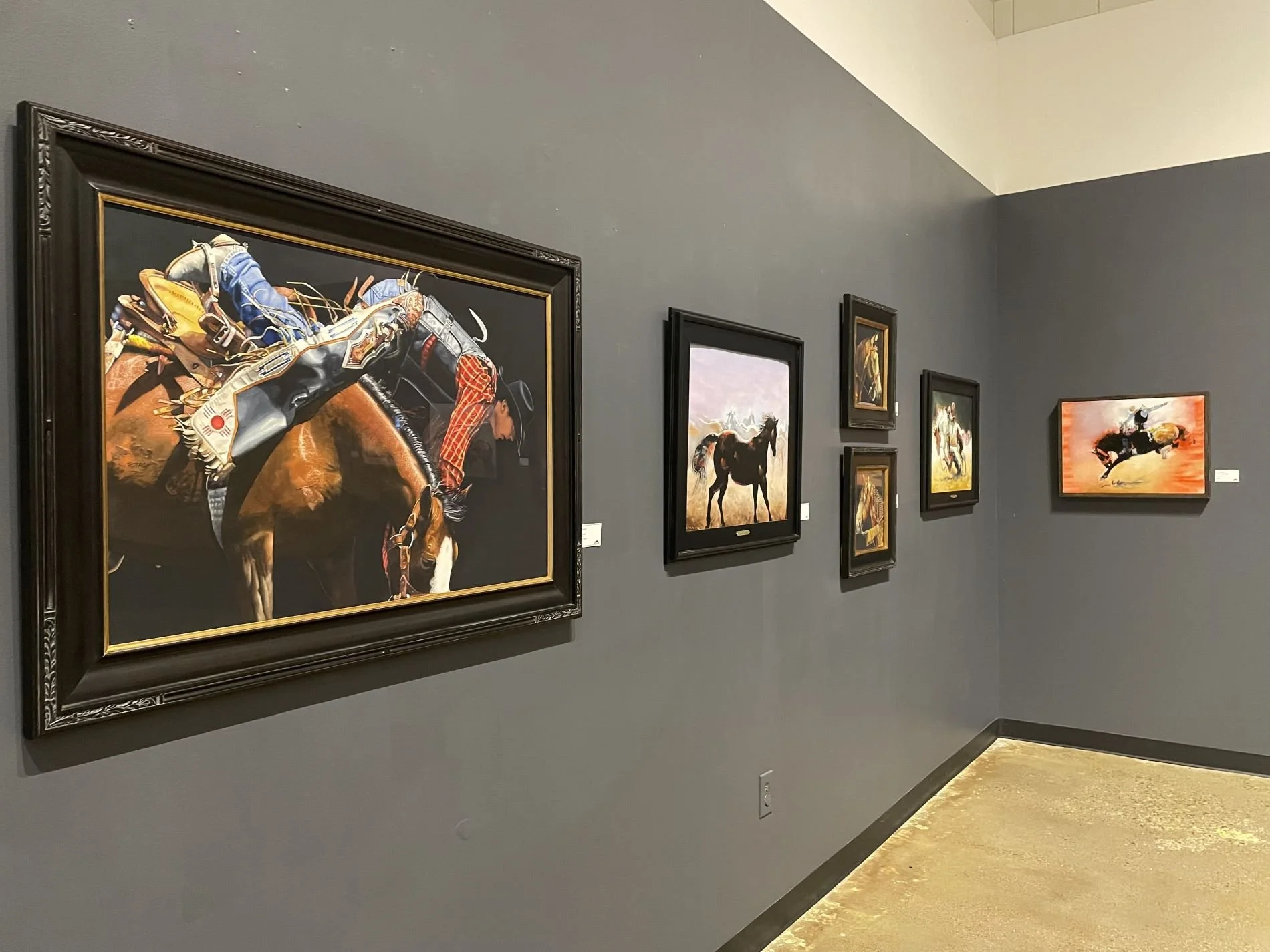
Art That Connects Community
The Northeastern Nevada Museum is more than a place to view art—it’s a gathering space for inspiration and connection. Through the support of the Great Basin Art Foundation, private donors, and visiting artists, the museum continues to grow as a living celebration of creativity in Elko, Nevada.
Whether you’re a lifelong art lover or discovering Western art for the first time, our galleries invite you to explore, reflect, and be inspired by the stories captured on every canvas and sculpture.
Explore the history, art, wildlife and stories of Northeastern Nevada at the Northeastern Nevada Museum in Elko, NV. As one of the leading museums in Elko NV, the museum features exhibits and programs representing communities, landscapes, and cultures from across the region. Locals and visitors alike can discover rotating exhibits, upcoming Elko events, educational programs and meaningful things to do in Elko, all in one place.
Whether you’re learning more about the area or sharing it with visiting friends and family, the museum offers a deeper connection to Northeastern Nevada.